The Appeal of Gambling
The allure of gambling can be traced back to its ability to provide an escape from everyday stressors. For many individuals, stepping into a casino is akin to entering a different world, replete with vibrant lights, sounds, and a palpable energy that energizes the spirit. This change of environment can evoke feelings of exhilaration, helping people forget their worries, even if only momentarily. Many also enjoy researching various betting sites, including betting sites that offer unique experiences and promotions, as the thrill of attempting to beat the odds or uncover hidden fortunes can be incredibly enticing, drawing people back time and time again.
Moreover, the excitement associated with gambling often activates the brain’s reward system, releasing dopamine and creating a sense of euphoria. This chemical reaction can be compared to the thrill from other pleasurable activities, like eating or exercising. However, unlike some of those activities, gambling presents a unique combination of risk and reward, which can heighten its appeal. The uncertainty of winning, paired with the possibility of significant financial gain, contributes to an irresistible draw for many players.
The social aspect of gambling cannot be overlooked. Casinos serve as social hubs where individuals gather to experience the excitement collectively. Whether it is enjoying a game of poker with friends or sharing the anticipation of a slot machine spin with strangers, these social interactions foster a sense of camaraderie. For some, the social aspect may be just as rewarding as the chance of winning money, enticing them to partake in casino activities regularly. This shared experience often enhances the overall enjoyment, reinforcing the desire to return.
The Role of Cognitive Biases
Human beings are prone to a variety of cognitive biases that can significantly impact their gambling behavior. One of the most common biases is the illusion of control, where players believe they can influence the outcome of games that are fundamentally based on chance. For instance, a player might think they can predict the next roll of a dice or the outcome of a card game through their skill or strategy, despite the reality that the odds are predetermined. This belief can lead to increased participation, as players become overconfident in their abilities.
Another bias prevalent among gamblers is the gambler’s fallacy, which is the mistaken belief that past events can influence future outcomes. For example, if a roulette wheel has landed on black several times consecutively, a player might think that red is ‘due’ to appear. This fallacy can lead to irrational betting patterns and significant financial losses over time, as players underestimate the randomness inherent in most gambling scenarios. The gambler’s fallacy highlights the complex interplay between perception and reality in gambling.
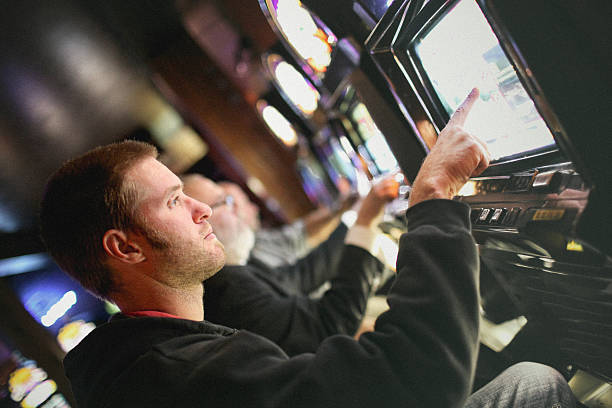
The availability heuristic also plays a role in shaping gambling behaviors. This cognitive bias causes individuals to overestimate the likelihood of events based on their ease of recall. For instance, if someone frequently hears stories about big wins, they may incorrectly perceive winning as a common occurrence, leading them to underestimate the risks involved in gambling. Understanding these biases can help individuals recognize when their thinking might be leading them astray, potentially influencing their gambling decisions and helping them adopt a more rational approach.
The Impact of Emotion on Gambling Choices
Emotions significantly influence the decisions gamblers make, often overshadowing rational thought processes. High-stress levels, excitement, and the thrill of anticipation can lead to impulsivity, causing individuals to wager more than they initially planned. For example, someone who experiences a winning streak may feel invincible and continue betting larger amounts, driven by the adrenaline and excitement of their success. This emotional high can create a false sense of security, prompting players to ignore the potential for loss.
Moreover, gambling can act as a coping mechanism for emotional distress. Individuals experiencing anxiety, depression, or loneliness may turn to casinos as a way to escape their negative feelings. While this might provide temporary relief, it can also lead to destructive patterns of behavior and has the potential to develop into gambling addiction. The need for immediate gratification can override the ability to think critically about potential long-term consequences, trapping individuals in a cycle of dependency.
Understanding the emotional triggers that lead to gambling decisions can foster healthier habits within individuals. Recognizing feelings of boredom, anxiety, or stress as contributing factors can empower gamblers to seek alternative coping strategies, such as engaging in sports, hobbies, or social gatherings. By addressing the emotional aspect of gambling, individuals can work towards making more informed decisions and breaking free from potentially harmful patterns. This self-awareness is crucial for maintaining a balanced lifestyle.
Understanding Problem Gambling
Problem gambling is a complex issue characterized by an inability to control gambling behaviors, leading to significant consequences in one’s life. It often stems from a combination of emotional and psychological factors, including stress, anxiety, thrill-seeking behavior, and even genetic predispositions. Those struggling with problem gambling may find it difficult to recognize their behavior as a problem, often rationalizing their actions despite the adverse effects on their relationships, finances, and overall well-being. This denial can perpetuate the cycle of gambling and its associated harms.

The impact of problem gambling extends beyond the individual, affecting family members and close friends who may experience emotional and financial strain as a result. Financial hardships can lead to conflict, loss of trust, and deteriorating relationships, creating a downward spiral that can be tough to escape. Additionally, those dealing with problem gambling often experience feelings of shame and isolation, making it difficult to seek help or share their struggles with others. This isolation only exacerbates the challenges faced by individuals caught in the grips of gambling addiction.
Awareness and education about problem gambling are crucial in combating this issue. Many organizations provide resources and support services aimed at helping individuals understand their gambling habits and develop effective coping mechanisms. Community outreach and increased understanding can reduce stigma and encourage those affected to seek help, ultimately fostering healthier relationships with gambling activities. Promoting open dialogue about problem gambling can help break down barriers and facilitate access to necessary support systems.
Conclusion: The Importance of Responsible Gambling
As the landscape of gambling continues to evolve, particularly with the rise of online platforms and mobile apps, understanding the psychological aspects of this activity remains essential. Responsible gambling practices, based on self-awareness and informed decision-making, play a critical role in ensuring that individuals engage in gambling behavior without jeopardizing their overall well-being. It is paramount that players recognize the potential risks involved and strive to maintain a healthy relationship with gambling. This mindful approach can enhance the enjoyment of the experience.
Supportive environments can promote responsible gambling by encouraging open discussions about the risks and reinforcing the importance of setting limits. Educational programs can equip individuals with the tools needed to recognize potentially harmful behaviors and seek assistance. By cultivating awareness and understanding, not only can we mitigate the adverse effects of gambling, but we can also enhance the enjoyment derived from games of chance. This proactive stance is crucial for fostering a sustainable gambling culture.
For those seeking further information and resources about gambling behavior, many websites provide valuable insights and support. These platforms offer tools for self-assessment and guides on how to practice responsible gambling. Engaging with these resources can empower individuals to approach gambling more mindfully, fostering a balanced experience that prioritizes enjoyment and safety. By leveraging available resources, players can enhance their understanding and navigate the complexities of gambling with greater confidence.